
Buying a Home
Remortgaging
Landlord
Specialist
Secured Loans
Debt Consolidation
Conveyancing
Finding a Solicitor
Surveys
Understand what a Level 3 building survey covers, how much it costs, and when you need one for your property purchase.

A RICS Home Survey Level 3 is the most comprehensive property inspection available through the Royal Institution of Chartered Surveyors framework. Previously known as a 'full structural survey' or simply a 'building survey,' this report was renamed in 2021 when RICS introduced a standardised three-tier system to make surveys easier for buyers to understand.
Unlike the less detailed Level 1 or Level 2 reports, a Level 3 survey allows the surveyor to carry out a thorough, sometimes intrusive, investigation of the property. That means the surveyor can lift accessible floorboards, inspect roof voids, test for damp using specialist meters, and examine areas that a standard visual inspection would miss. The report covers three main areas: the structure and fabric of the building, the condition of visible services such as electrics and plumbing, and any legal or environmental issues that could affect value.
Every finding is accompanied by a condition rating. Where relevant, the report includes prioritised repair recommendations with indicative costs. This gives buyers a clear picture of what work the property needs, both immediately and over the coming years. For a broader overview of all three survey levels, read our full guide to house surveys.
A Level 3 survey is recommended whenever the property you are buying carries a higher-than-average risk of hidden defects. The most common trigger is the age of the building. Properties built before 1900 often feature solid walls, lime mortar, lath-and-plaster ceilings, and other construction methods that need specialist knowledge to assess. A Level 2 survey, which relies on a visual-only inspection, may not catch problems concealed behind surfaces in these older homes.
Beyond age, several other factors point towards choosing a Level 3 report. Listed buildings are subject to planning restrictions that can make repairs more complex and costly, so a detailed condition assessment is essential. Timber-framed and non-standard construction types, such as steel frame, concrete panel, or thatched roofs, also benefit from the deeper investigation a Level 3 provides. If you have noticed visible signs of movement, cracking, damp staining, or evidence of past flooding during viewings, a Level 3 survey can quantify the problem and estimate repair costs.
Properties that have undergone significant extensions or structural alterations should also have a Level 3 survey, particularly if building regulation sign-off is unclear. The same applies if you are planning major renovation work and want a detailed baseline of the building's current condition before committing. For standard, post-1900 homes in reasonable condition, a Level 2 HomeBuyer Report is usually sufficient.
A Level 3 survey covers every accessible part of the property in considerable depth. The surveyor will typically spend between three and eight hours on site, depending on the size and complexity of the building. The inspection begins with a full description of the property, including its approximate age, construction type, principal materials, and setting.
The surveyor then assesses the structural condition, examining foundations where visible, load-bearing walls, beams, and lintels for signs of movement, settlement, or deterioration. The external inspection covers the roof covering, chimneys, guttering, rainwater goods, external walls, windows, and external doors. Internally, the surveyor examines ceilings, walls, floors, staircases, and any built-in fittings, checking for damp, timber decay, and structural deficiency.
Visible parts of the building's services are assessed next, including the electrical installation, gas supply, plumbing, drainage, and heating system. The surveyor will note the apparent age and condition of each system and flag anything that warrants further specialist testing. Grounds and boundaries are also surveyed, covering outbuildings, garages, drives, paths, and boundary walls or fences. The report concludes with legal and planning observations, such as rights of way or potential building regulation issues, followed by prioritised repair recommendations with indicative cost estimates. To understand the differences between survey tiers, compare Level 2 and Level 3 surveys in full.
The cost of a Level 3 building survey depends primarily on the property's value, its size, and its location. As a general rule, the higher the property value and the larger the building, the more the survey will cost because the surveyor needs more time on site and the report is more detailed.
The figures in the table below are based on industry averages as of early 2026. They provide a useful starting point for budgeting, but individual quotes may vary depending on the surveyor, the property type, and any additional services you request, such as a formal valuation or specialist damp testing.
If your property is in London or the South East, expect to pay a premium of roughly 10 to 20 per cent above these ranges. Rural properties or those with significant land can also attract higher fees because the surveyor needs to assess outbuildings, boundaries, and grounds in addition to the main building.
It is worth noting that the survey fee is a one-off cost that could save you thousands. A Level 3 report that identifies, for example, a failing roof covering or structural movement gives you the evidence to renegotiate the purchase price or budget for repairs before you commit. Many buyers recover the entire survey fee, and more, through price reductions negotiated on the back of the surveyor's findings. For a comparison of fees across all RICS survey types, see average survey costs across all levels.

The key difference between the two reports is the depth of the inspection. A Level 2 survey is a visual, non-intrusive assessment designed for conventional properties built after 1900 that appear to be in reasonable condition. The surveyor uses a traffic-light rating system and will note visible defects, but does not move furniture, lift floor coverings, or investigate concealed areas.
A Level 3 survey goes significantly further. The surveyor can carry out intrusive inspections where safe and practical, lifting floorboards, opening hatches, and testing materials. This makes it far more likely to uncover hidden defects such as concealed damp, timber decay behind plasterwork, or problems with the substructure. The resulting report is more detailed, typically running to 20 to 40 pages or more compared with 10 to 20 pages for a Level 2.
Both levels offer a formal valuation as an optional add-on. The right choice depends on your property. If the building is a standard, modern construction with no obvious issues, a Level 2 is usually sufficient. For anything older, larger, or non-standard, the additional cost of a Level 3 is a sound investment. Visit our Level 2 vs Level 3 comparison for a full side-by-side breakdown.
Once your surveyor has completed the inspection, you will typically receive the written report within five to ten working days. Reading it carefully is essential: the repair recommendations and condition ratings form the basis for your next steps. There are three broad paths you can take depending on what the report reveals.
The first is to proceed with the purchase as planned. If the survey reveals only minor or expected maintenance issues, you may decide the findings do not change the value proposition and move ahead to exchange. The second option is to renegotiate the price. Where the survey identifies significant defects, such as a failing roof, subsidence, or extensive damp, you can present the surveyor's cost estimates to the seller and request a price reduction or ask for repairs to be completed before completion. Many sellers will agree to a reasonable adjustment rather than risk losing the sale. The third option is to withdraw entirely. If the report uncovers problems so severe that the repair costs outweigh the property's value, or if the findings reveal risks your lender will not accept, walking away may be the right decision.
In some cases the surveyor will recommend further specialist reports. Common examples include a full damp and timber investigation, a structural engineer's assessment of movement or cracking, or a drainage survey. These specialist reports provide more precise diagnosis and repair costings. Your surveyor's findings can also affect the mortgage process if the lender's valuer flags the same issues. For guidance on using your report to negotiate, read our guide to negotiating after a survey. If you want to understand the most common issues found, see survey problems explained.
A Level 3 survey is just one of several professional fees you will pay when buying a property. Understanding where it fits in the overall budget helps you plan ahead and avoid surprises.
Alongside the survey, you will need to pay conveyancing fees for the legal work involved in transferring ownership. These typically range from £1,000 to £2,000 or more depending on the property value and the complexity of the transaction. Property searches, which your solicitor orders from the local authority and other bodies, usually cost between £250 and £500. Your mortgage lender will carry out its own valuation, though this is increasingly included free of charge as part of the mortgage deal.
To illustrate how these costs add up, consider a worked example. On a property valued at £350,000, you might budget roughly £900 for a Level 3 survey, £1,400 for conveyancing including VAT, £350 for property searches, and nothing extra for the mortgage valuation if it is bundled with your deal. That brings total professional fees to approximately £2,650 before you account for stamp duty and your deposit.
The survey is often the single most valuable fee you pay. Unlike the other costs, which are largely administrative, the survey gives you actionable intelligence about the property's condition. A single finding, such as a roof that needs replacing within five years, can justify a price reduction that dwarfs the survey fee itself. To explore conveyancing costs in more detail, visit our guides to conveyancing fees and conveyancing explained.
Choosing the right surveyor is as important as choosing the right survey level. Start by checking that your surveyor is registered with RICS, the Royal Institution of Chartered Surveyors. RICS registration means the surveyor is bound by professional standards, carries mandatory professional indemnity insurance, and is subject to a complaints procedure. This gives you a layer of protection if anything goes wrong with the survey or the advice you receive.
Beyond the basic credential, look for experience that matches your property. A surveyor who regularly inspects Victorian terraces will be better placed to spot period-specific issues than one whose work focuses mainly on modern estates. Ask how many Level 3 surveys they carry out each year and whether they have experience with your property's construction type. Local knowledge matters too: a surveyor who works in your area will understand local ground conditions, common building defects in the region, and any flooding or subsidence risks associated with the locality.
When comparing quotes, check what is included in the fee. Some surveyors bundle a formal valuation or offer a follow-up call to discuss the findings at no extra charge, while others list these as paid add-ons. Finally, if your property is in Scotland, be aware that the survey process works differently under the Home Report system, which requires the seller to commission the survey before marketing. For more detail, read our guides to RICS surveyors and home reports in Scotland.
For older, larger, or non-standard properties, a Level 3 survey is almost always worth the cost. The detailed inspection can reveal hidden defects that a visual-only Level 2 report would miss, such as concealed damp, timber decay, or structural movement. Identifying these issues before you complete the purchase gives you the opportunity to renegotiate the price or plan for repairs. Many buyers recover the survey fee several times over through price reductions alone.
Your mortgage lender will require its own valuation, but this is not the same as a survey. The lender's valuation simply checks whether the property is adequate security for the loan. It does not assess the building's condition in any meaningful detail. You are not legally required to commission a separate survey, but buying without one means you risk inheriting expensive defects that could cost thousands to repair.
A Level 3 survey is a general assessment of the entire property, covering structure, fabric, services, and external areas. A structural engineer's report focuses specifically on one identified structural issue, such as subsidence, cracking, or a failing beam. Surveyors often recommend a structural engineer's report as a follow-up when they find signs of movement or significant structural concern during the Level 3 inspection. The two reports are complementary rather than interchangeable.
Repair costs vary enormously depending on what the survey uncovers. Minor maintenance items such as repointing or replacing sealant might cost a few hundred pounds. More significant problems, like a full roof replacement, can run from £5,000 to £15,000 or more. Structural repairs such as underpinning for subsidence can exceed £20,000. Your Level 3 survey report will include indicative cost estimates for each recommended repair, giving you a starting point for budgeting.
New-build properties are covered by a builder's warranty, typically lasting ten years, which should address major structural defects. For this reason, a Level 3 survey is rarely necessary on a brand-new home. However, a snagging survey is strongly recommended before you move in. A snagging inspection checks for cosmetic and minor construction defects that the builder should fix under the terms of the contract. This is a separate, more targeted inspection than a full RICS survey.
What our clients say
Shortly after I spoke with Anna, she was also very helpful and made it effortless and a nice experience.
Had a really good experience regarding arranging a secured loan. They introduced me to a great advisor. Thanks for the help.
For once a loan transaction without stress and complications. Very impressed and highly recommended.
Thrilled to share my exceptional experience with Money Saving Advisors. The website made it incredibly simple and easy to connect with an advisor. They helped me find the best deal on my remortgage and secured a very competitive interest rate!
Great advice and money saved on mortgage.
I have previously declined a loan of the value I needed from various brokers, but this website found me a reputable broker with surprisingly decent rates.
Surveys
Compare RICS-registered surveyors near you. Get up to 4 quotes tailored to your property with no obligation.




Find out what a Level 2 home survey costs, what it covers and when to book one before you exchange contracts.

See average house survey costs for 2026 by type, property value and location, plus what affects price and how to save.
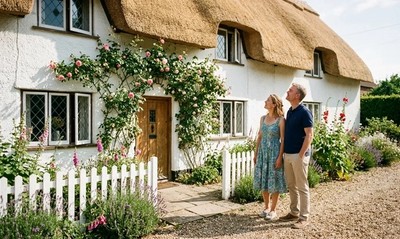
Compare Level 2 and Level 3 surveys side by side: cost, depth, property suitability, and which one you actually need.
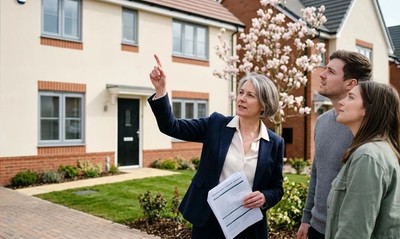
Find out what a new build snagging survey costs, when to book one, and how to report defects to your developer.