
Buying a Home
Remortgaging
Landlord
Specialist
Secured Loans
Debt Consolidation
Conveyancing
Finding a Solicitor
Surveys
Compare cost, depth of inspection and property suitability side by side, then work out which RICS survey level is right for you.

Both a Level 2 and a Level 3 survey are carried out by a RICS-qualified surveyor and follow the same RICS Home Survey Standard. The difference is how deep the inspection goes and how much detail you get in the report. A Level 2 is a visual, non-intrusive inspection designed for properties in reasonable condition. A Level 3 is a thorough, sometimes intrusive inspection designed for older, larger or more complex properties where hidden defects are more likely.
The terminology changed in 2021 when RICS replaced the old "HomeBuyer Report" and "Building Survey" names with the numbered levels. You will still see both names used, and they refer to exactly the same products. If a surveyor offers you a "HomeBuyer Report," that is a Level 2. If they offer a "Full Building Survey" or "Full Structural Survey," that is a Level 3.
Understanding the difference matters because choosing the wrong level can either waste money on detail you do not need or, more seriously, leave defects undetected that end up costing thousands to fix after you have completed. The table below sets out the key differences at a glance, and the sections that follow explain each level in full. For a broader overview of how surveys work and when you need one, read our full guide to house surveys.
A Level 2 survey, still widely known as a HomeBuyer Report, is a visual inspection of the property's accessible areas. The surveyor walks through every room, checks the exterior, and inspects the roof from ground level using binoculars. They assess the condition of walls, windows, doors, roofing, gutters, plumbing, electrics, heating and drainage, but they do not move furniture, lift carpets, or open up any part of the building's structure. The inspection is entirely non-intrusive.
The report uses RICS condition ratings to flag the severity of any issues found. A CR1 (green) rating means no immediate repair is needed. A CR2 (amber) rating means defects that need attention but are not urgent. A CR3 (red) rating means serious defects requiring urgent repair. This traffic-light system makes a Level 2 report relatively quick to read and easy to act on, because the most critical issues stand out immediately.
A Level 2 survey is available with or without a formal market valuation. The version without a valuation tends to cost less, typically £300 to £600 for a standard-sized property. Adding a valuation brings the cost closer to £500 to £1,000, depending on the property's value and location. Most mortgage lenders do not require a Level 2 survey, so this is an additional cost you choose to pay for your own protection. A Level 2 works well for conventional properties built after 1900 that appear to be in reasonable condition with no obvious signs of structural problems, major alterations or unusual construction methods. For a full breakdown of what is and is not included, read our full guide to what's included in a Level 2 Home Survey.
A Level 3 survey, formerly called a Building Survey or Full Structural Survey, is the most comprehensive inspection available for residential property. Unlike a Level 2, the surveyor goes beyond what is visible. They can lift floorboards, check behind service panels, enter roof voids using ladders, inspect sub-floor spaces where accessible, and examine areas that a visual survey would skip entirely. The aim is to uncover hidden defects that a less thorough inspection might miss.
Instead of the traffic-light condition ratings used in a Level 2, a Level 3 report provides a detailed written assessment of every element of the building. The surveyor describes each defect, explains why it matters, outlines the likely cause, and provides an estimate of the repair cost. This means a Level 3 report is significantly longer, often running to 30 or 40 pages, but it gives you a much clearer picture of the property's true condition and the financial commitment you are taking on.
A Level 3 survey is especially valuable when buying an older property, a listed building, a property with non-standard construction such as timber frame, concrete panel or thatched roof, a property that has been significantly extended or altered, or any building where you plan to carry out major renovation work. In these situations, the visual inspection of a Level 2 is unlikely to catch everything, and the cost difference between the two levels is small compared to the risk of missing a structural problem. Level 3 surveys typically cost between £600 and £1,500 or more, depending on the property's size, value and complexity. For a detailed look at exactly what the surveyor checks, read our guide to everything a Level 3 Building Survey covers.
Choosing between a Level 2 and a Level 3 comes down to the age, condition and construction type of the property you are buying. The following scenarios cover the most common situations and the survey level that fits each one.
Standard house built after 1930, no visible issues: a Level 2 survey is usually sufficient. These properties tend to follow conventional construction methods, and a visual inspection will flag any condition problems worth investigating further.
Pre-1900 or Victorian and Georgian properties: a Level 3 survey is strongly recommended. Older homes are more likely to have movement, damp penetration, outdated structural elements and materials that behave differently over time. A visual-only inspection is unlikely to identify all of these.
Listed buildings or properties in a conservation area: a Level 3 is essential. These properties often have unique construction techniques, specialist materials and legal restrictions on repair methods. A Level 3 surveyor can identify issues that require listed building consent and estimate the cost of heritage-appropriate repairs.
Non-standard construction: if the property is built with timber frame, steel frame, concrete panel, prefabricated components or a thatched roof, a Level 3 survey is the right choice. These construction types carry specific risks that a Level 2 visual inspection will not fully assess.
Properties with extensions or major alterations: if the home has been significantly extended, converted or had structural walls removed, a Level 3 survey allows the surveyor to check whether the work was carried out properly and whether building regulations were followed.
Planning significant renovation: if you intend to carry out major works after purchase, a Level 3 gives you a full picture of the building's current structural condition before you start. This helps you budget accurately and avoid surprises once walls are opened up.
New build properties: neither a Level 2 nor a Level 3 is the right tool for a new build. A professional snagging survey is designed specifically to catch defects before your NHBC warranty period expires.
If you are still unsure, a useful rule of thumb is to ask whether you would feel comfortable relying on a visual inspection alone. If the answer is no, because the property is old, unusual or complex, a Level 3 is the safer choice. The cost difference between the two levels typically ranges from £200 to £500, which is small when measured against the potential cost of undetected defects. For more guidance on finding a qualified professional, read our guide to how to find and check a RICS-regulated surveyor.
The cost of both survey levels depends on the property's value, size and location. London and the South East tend to be more expensive than other parts of the UK, and larger or higher-value properties take longer to inspect, which increases the fee. The table below sets out typical cost ranges for 2026 across three property value bands.
These figures are for the survey fee only and do not include VAT, which is charged at 20% on top. Some surveyors include VAT in their quoted price while others add it separately, so always check whether the figure you are given is inclusive or exclusive. If you add a formal valuation to a Level 2 survey, expect the fee to increase by £100 to £200 on top of the ranges shown above.
The price difference between a Level 2 and a Level 3 typically falls between £200 and £600. On a property purchase costing hundreds of thousands of pounds, that is a relatively small amount to pay for the additional depth of inspection. If the Level 3 uncovers a single defect that would have been missed by a Level 2, and that defect costs several thousand pounds to repair, the additional survey fee pays for itself many times over. For a more detailed breakdown including regional variations, read our detailed breakdown of survey costs by property type. It is also worth understanding how this differs from your lender's mortgage valuation, which is a separate process with a different purpose.
Choosing a Level 2 when the property actually warranted a Level 3 is the more common and more costly mistake. A Level 2 surveyor is limited to what they can see. If a defect is hidden behind plaster, under floorboards, or inside a roof void that the surveyor did not enter, it will not appear in the report. You complete the purchase, move in, and then discover the problem months or years later when it has had time to worsen.
The financial consequences of missing a major defect can be severe. Subsidence affecting foundations can cost between £10,000 and £50,000 to stabilise and repair, depending on the extent of the movement and the underpinning method required. Structural roof failure, where timbers have rotted or spread, typically costs £5,000 to £20,000 to reinstate. Japanese knotweed, which is notoriously difficult to eradicate and can affect mortgage eligibility, costs between £5,000 and £15,000 for a professional treatment plan. Rising or penetrating damp that has gone undetected can lead to timber decay, plaster failure and mould, with remediation costs ranging from £2,000 to £10,000 depending on the affected area.
Set against these figures, the £200 to £500 difference between a Level 2 and a Level 3 survey fee is modest. If there is any doubt about which level to choose, the safer option is almost always to go with the Level 3. The worst outcome of choosing a Level 3 on a property that only needed a Level 2 is that you pay a few hundred pounds more and receive a longer report. The worst outcome of choosing a Level 2 on a property that needed a Level 3 is that you inherit a defect that costs tens of thousands to fix. For advice on what to do if your survey does uncover problems, read our guide to negotiating a price reduction after your survey findings.

Your survey is one of several things that need to happen between having an offer accepted and exchanging contracts. Understanding where it sits in the timeline helps you avoid delays and make the most of the information it provides.
The typical sequence runs as follows. Your offer is accepted by the seller. You confirm your mortgage agreement in principle and submit your full mortgage application. Within the first week, you instruct a surveyor to carry out your chosen Level 2 or Level 3 inspection. The surveyor visits the property, which usually happens within one to two weeks of being instructed. The report is delivered three to ten working days after the visit, depending on the surveyor and the complexity of the property. You review the findings and decide whether to proceed, renegotiate the price, or withdraw.
While your survey is being arranged and completed, your solicitor or conveyancer will be running legal searches, reviewing the title, and raising enquiries with the seller's solicitor. These processes run in parallel, so the survey does not hold up the legal side of the transaction unless the findings require further investigation, such as commissioning a specialist damp report or structural engineer's assessment.
Timing your survey correctly matters. If you instruct the survey too late, you risk delaying exchange while you wait for the report. If you instruct it early and the findings reveal serious defects, you have more time to negotiate or walk away before you have spent heavily on legal fees. As a general rule, instructing your surveyor within the first week of having your offer accepted gives you the best balance of speed and protection. For a full overview of the steps involved in buying a property, read our guide to where your survey fits into the conveyancing process. You may also want to understand the total legal and survey costs when buying a home.
Yes, but in practice it means commissioning a second survey from scratch. A Level 3 survey is not an extension of a Level 2. It follows a different inspection methodology, takes significantly longer on site, and produces a fundamentally different type of report. The surveyor needs to re-inspect the entire property using the more thorough Level 3 approach, even if they have already visited the property for a Level 2.
Some surveying firms will offer a partial credit if you upgrade from a Level 2 to a Level 3 with the same firm. This credit is usually between 25% and 50% of the original Level 2 fee, and it is entirely at the surveyor's discretion. There is no industry-wide policy or RICS requirement to offer a discount in this situation. If cost recovery matters to you, it is worth asking about upgrade terms before you book the Level 2.
The better approach is to choose the right level from the start. If you are in any doubt about whether a Level 2 will be sufficient, speak to the surveyor before booking. A good surveyor will ask about the property's age, construction type, condition and your plans for it, and will recommend the appropriate level based on those factors. If the surveyor recommends a Level 3, take their advice seriously. They see these properties every day and have a good sense of where a visual inspection is likely to fall short.
It is worth noting that Scotland operates a different system entirely. Under the Scottish Home Report system, the seller commissions a survey before the property is marketed, and buyers receive a copy as part of the sales process. This means Scottish buyers do not choose between Level 2 and Level 3 in the same way as buyers in England, Wales and Northern Ireland. For more information, read our guide to how to find and check a RICS-regulated surveyor.
It depends on the property. For older homes built before 1900, listed buildings, properties with non-standard construction, or any building where you suspect hidden defects, a Level 3 is almost always worth the additional cost. The price difference between a Level 2 and Level 3 is typically £200 to £500, while a single undetected structural problem can cost £5,000 to £50,000 to fix. For a standard post-1930 home in reasonable condition with no obvious issues, a Level 2 usually provides sufficient detail.
The on-site inspection for a Level 3 survey typically takes between three and eight hours, depending on the size and complexity of the property. A large period home or a property with outbuildings, extensions and unusual construction will take longer than a standard three-bedroom house. After the visit, the surveyor usually needs three to ten working days to write up the report. In total, from instructing the surveyor to receiving your report, expect the process to take between two and three weeks.
No. A Level 3 survey is designed for older and more complex properties where hidden defects are a realistic concern. New builds are covered by NHBC or equivalent warranties for the first ten years, and the right inspection for a new build is a professional snagging survey. A snagging survey checks for cosmetic defects, incomplete finishes and minor construction issues before you move in, while you still have leverage to get the developer to fix them.
A mortgage valuation is carried out for your lender's benefit, not yours. It confirms the property is worth enough to secure the loan and checks for obvious risks to the lender. It does not give you a detailed condition report or flag defects that might cost you money to repair. A Level 2 or Level 3 survey is carried out for your benefit and provides a thorough assessment of the property's condition. You can read more in our guide to how a survey differs from a mortgage valuation.
Yes, and it is one of the most valuable reasons to get a survey in the first place. If your Level 2 or Level 3 survey reveals defects, you can ask the seller to reduce the price to cover the cost of repairs, carry out the repairs before completion, or both. The strength of your negotiating position depends on the severity of the defects and the state of the local market. For practical guidance on how to approach this conversation, read our guide to negotiating a price reduction after your survey.
What our clients say
Shortly after I spoke with Anna, she was also very helpful and made it effortless and a nice experience.
Had a really good experience regarding arranging a secured loan. They introduced me to a great advisor. Thanks for the help.
For once a loan transaction without stress and complications. Very impressed and highly recommended.
Thrilled to share my exceptional experience with Money Saving Advisors. The website made it incredibly simple and easy to connect with an advisor. They helped me find the best deal on my remortgage and secured a very competitive interest rate!
Great advice and money saved on mortgage.
I have previously declined a loan of the value I needed from various brokers, but this website found me a reputable broker with surprisingly decent rates.
Surveys
Compare RICS-registered surveyors near you. Get up to 4 quotes tailored to your property with no obligation.




Find out what a Level 2 home survey costs, what it covers and when to book one before you exchange contracts.
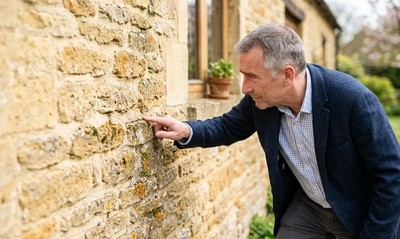
Compare Level 3 building survey costs, see what is included, and learn who needs one before buying a property.

See average house survey costs for 2026 by type, property value and location, plus what affects price and how to save.
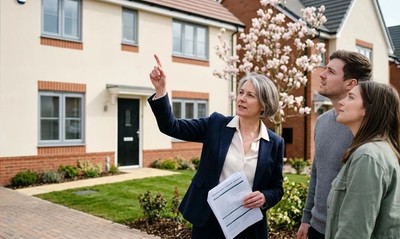
Find out what a new build snagging survey costs, when to book one, and how to report defects to your developer.