
Buying a Home
Remortgaging
Landlord
Specialist
Secured Loans
Debt Consolidation
Conveyancing
Finding a Solicitor
Public Liability Insurance: What It Covers and What It Costs
Public liability insurance protects your business if a member of the public is injured or their property is damaged because of your work. Whether you are a sole trader, contractor, or run a small business, it is one of the most important covers to have in place.

Public liability insurance is a type of business insurance that covers you if a third party, such as a customer, visitor, or member of the public, is injured or has their property damaged as a result of your business activities. It pays for compensation, legal fees, and associated costs if a claim is made against you.
For example, if a customer trips over equipment at your premises and breaks their wrist, public liability insurance would cover the cost of their claim. Similarly, if you accidentally damage a client's property while carrying out work, this policy would step in to cover the repair or replacement costs.
Public liability insurance is not the same as employers' liability insurance, which covers claims from your employees. It is also different from professional indemnity insurance, which covers claims arising from professional advice or services. Public liability specifically protects against physical injury and property damage caused to people who are not employed by your business.
Most policies also include product liability cover, which protects you if a product you have sold, supplied, or manufactured causes injury or damage after it leaves your possession.
Public liability insurance is designed to cover claims made against your business by third parties. The cover typically includes several key areas that every business owner should understand before taking out a policy.
It is important to read your policy schedule and any endorsements carefully. Some policies include additional extensions, while others may apply specific exclusions based on your trade or the nature of your work.
No, public liability insurance is not a legal requirement in the UK. Unlike employers' liability insurance, which is a legal requirement for any business that employs staff under the Employers' Liability (Compulsory Insurance) Act 1969, there is no law that compels you to hold public liability cover.
However, just because it is not legally required does not mean you can afford to go without it. In practice, many businesses find that public liability insurance is effectively mandatory for the following reasons:
If you are a self-employed tradesperson or a contractor, clients will almost always ask to see your public liability certificate before you start work. Without it, you risk losing contracts and being unable to operate in your market.
The cost of public liability insurance varies depending on your trade, turnover, the level of cover you choose, and the nature of your work. As a general guide, many self-employed workers and small businesses pay between £40 and £200 per year for a standard policy with £1 million or £2 million of cover. That works out to just a few pounds per month for many trades, making it one of the most affordable forms of business protection available.
Premiums have remained relatively stable in recent years, though businesses in higher-risk sectors such as construction and roofing will typically pay more than those in lower-risk office-based roles. Your individual premium will be calculated based on a combination of factors, which we explain in detail below the table.
The table below shows typical annual premiums for different trades at a £1 million cover level. These are indicative figures based on a sole trader or small business with modest turnover, and your actual premium may differ based on your specific circumstances.
Several factors will influence how much you pay for public liability insurance. Understanding these can help you manage your costs and make sure you are not paying more than you need to.
The best way to find competitive pricing is to compare quotes from several insurers. At Money Saving Advisors, we help you compare policies side by side so you can find the right balance between cover and cost.

Public liability insurance is available at several standard cover levels: £1 million, £2 million, £5 million, and £10 million. The right level for your business depends on the type of work you do, who your clients are, and the potential value of a claim against you. Choosing too little cover leaves you exposed if a large claim exceeds your policy limit, while choosing too much means you are paying for protection you may never need.
For many sole traders and small businesses working with domestic clients, £1 million or £2 million of cover is often sufficient. However, if you work on commercial contracts, attend public events, or carry out higher-risk work, you may need £5 million or more. The key is to match your cover level to the realistic worst-case scenario for your type of work.
It is also worth checking what your clients and industry bodies expect. Many commercial clients will specify a minimum cover level in their contracts, and failing to meet that threshold means you cannot take on the work. The table below provides a general guide to help you choose the right level.
It is worth noting that increasing your cover from £1 million to £5 million rarely doubles the cost. In most cases, the additional premium is modest, often just £20 to £50 per year. Given the relatively small extra cost, it is usually worth opting for a higher cover level to give yourself more protection. Think of the difference as a small monthly outlay for significantly greater peace of mind.
Always check what your clients require. If a contract specifies £5 million of public liability cover and you only hold £1 million, you will not be able to take on that work. It is far easier to take out adequate cover from the start than to upgrade mid-contract. Upgrading mid-term is possible with most insurers, but it means additional administration and a revised premium calculation.
If you are a contractor working across multiple sites or clients, consider taking the highest level that any of your clients requires. This saves you from having to adjust your cover every time you win a new contract with different insurance requirements.
Public liability insurance is just one of several types of business insurance you may need. Understanding the differences between the main policy types will help you put together the right package for your business without paying for cover you do not need, or leaving dangerous gaps in your protection.
The three most common types of business insurance are public liability, employers' liability, and professional indemnity. Each one protects against a different category of risk, and many businesses need two or even all three. Employers' liability is a legal requirement for any business with employees, so if you have staff, that should be your first priority. Public liability and professional indemnity are not legally required in most cases, but they are often essential in practice.
The table below summarises the key differences between these three policy types, including what each one covers, who typically needs it, and whether it is a legal requirement.
Many businesses need more than one of these policies. For instance, a tradesman with employees would typically need both public liability and employers' liability insurance. An architect or IT consultant might need both public liability and professional indemnity insurance. A shop owner with staff and stock would likely need all three, plus additional cover for their premises and contents.
Insurers often bundle these covers together into a combined business insurance package, which can be more cost-effective than buying each policy separately. A combined package also means a single renewal date, one insurer to deal with, and no risk of conflicting policy terms between different providers.
When comparing quotes, look at what is included in the package and check whether any essential cover has been left out. Some packages marketed as "business insurance" only include public liability and employers' liability, with professional indemnity available as an optional add-on at extra cost. Others include all three but with lower-than-standard cover limits. Always check the detail rather than relying on the package name.
If an incident occurs that could lead to a public liability claim, it is important to act quickly and follow the correct steps. Most insurers require you to notify them as soon as possible, even if a formal claim has not yet been made against you.
A common example: an electrician working in a client's home accidentally leaves a cable across a doorway. The homeowner trips and fractures their ankle. The electrician should photograph the scene, collect the homeowner's details, and notify their insurer the same day. The insurer then handles the claim from that point forward.
No, public liability insurance is not a legal requirement in the UK. However, many clients, trade bodies, and venue operators require you to hold it before you can work for them. If you employ staff, you are legally required to hold employers' liability insurance, but public liability remains voluntary in law even though it is essential in practice for most businesses.
For sole traders and small businesses working with domestic clients, £1 million or £2 million of cover is usually sufficient. If you work on commercial sites, for local authorities, or on larger contracts, you will likely need £5 million or £10 million. Always check what your clients require, as many commercial contracts specify a minimum level of cover.
Yes, public liability insurance premiums are an allowable business expense for tax purposes. You can deduct the cost of your premium from your taxable profits, whether you are a sole trader, a partnership, or a limited company. Keep your policy documents and payment receipts as part of your business records for your tax return.
No, public liability insurance does not cover injuries to your employees. It only covers claims from third parties such as customers, clients, and members of the public. If you employ staff, you need employers' liability insurance, which is a legal requirement. Many insurers offer both policies together as a package.
Public liability insurance covers claims from third parties, such as customers or the public, for injury or property damage caused by your business. Employers' liability insurance covers claims from your employees for work-related injury or illness. Employers' liability is a legal requirement for any business with employees, while public liability is not legally required.
Yes, many insurers offer short-term or event-specific public liability insurance. This is useful if you are attending a trade fair, running a pop-up stall, or working on a one-off project. Event cover typically runs for a single day or a set number of days and provides the same protection as an annual policy for the duration of the event.
What our clients say
Shortly after I spoke with Anna, she was also very helpful and made it effortless and a nice experience.
Had a really good experience regarding arranging a secured loan. They introduced me to a great advisor. Thanks for the help.
For once a loan transaction without stress and complications. Very impressed and highly recommended.
Thrilled to share my exceptional experience with Money Saving Advisors. The website made it incredibly simple and easy to connect with an advisor. They helped me find the best deal on my remortgage and secured a very competitive interest rate!
Great advice and money saved on mortgage.
I have previously declined a loan of the value I needed from various brokers, but this website found me a reputable broker with surprisingly decent rates.

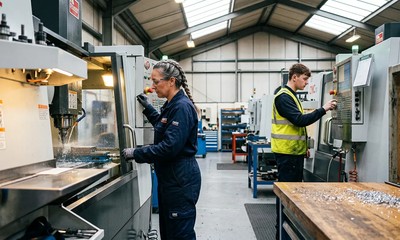
Employers' liability insurance is a legal requirement if you employ staff. Learn who needs it, the minimum cover level, fines for non-compliance, and exemptions.

Learn who needs professional indemnity insurance, what it covers, how much it costs, and why certain professions are legally required to hold it.

Compare tradesman insurance for 2026. Public liability, tools cover and employers' liability for builders, plumbers and electricians explained.

Find out which insurance cover self-employed workers actually need. From public liability to professional indemnity, we explain the options by trade.