
Buying a Home
Remortgaging
Landlord
Specialist
Secured Loans
Debt Consolidation
Conveyancing
Finding a Solicitor
Conveyancing near you
Business Loans
Compare unsecured business loans from £1,000 to £500,000 with no collateral required. Find competitive rates, understand personal guarantee obligations and choose the right lender for your business.

An unsecured business loan provides funding without requiring you to pledge property, equipment or other assets as collateral. Instead, the lender assesses your business's financial health, trading history and creditworthiness to decide whether to approve your application and at what rate.
Most unsecured business loans in the UK range from £1,000 to £500,000, with repayment terms typically spanning 1 to 5 years. Interest rates start at around 6% APR for established businesses with strong credit profiles and can exceed 25% for newer or higher-risk borrowers.
Unlike secured lending, where the lender can repossess a named asset if you default, unsecured loans shift more risk onto the lender. This generally means stricter approval criteria and higher rates, but you avoid tying up specific business or personal assets as security.
You can use an unsecured business loan for almost any commercial purpose: covering cash flow gaps, purchasing stock, funding a marketing push, hiring staff or investing in technology. Most lenders place no formal restrictions on how you spend the funds.
One common misconception is that "unsecured" means risk-free for the borrower. The majority of lenders still require a personal guarantee, which makes you personally liable if the business cannot repay. This is a meaningful financial commitment, and understanding what it involves before you sign is essential.
Whether you operate as a sole trader, partnership or limited company, unsecured business loans offer a practical funding route when you lack assets to secure against or prefer to keep existing collateral free. For businesses needing smaller loan amounts with faster access to funds, they remain one of the most straightforward finance options available.
Unsecured business loans follow a standard lending structure. You borrow a fixed sum, repay it in monthly instalments over an agreed term, and pay interest on the outstanding balance. Some lenders offer variable rates, but fixed-rate deals are more common for unsecured business lending.
The application process is faster than secured lending because there is no asset valuation or property charge to arrange. Many online lenders provide decisions within 24 to 48 hours, and funds can reach your account within days. High-street banks typically take 1 to 2 weeks.
Most lenders require a personal guarantee as part of the agreement. This means that if your business fails to repay, you become personally responsible for the outstanding debt. The guarantee typically covers the full loan amount plus any accrued interest and fees. Some lenders cap the guarantee at a percentage of the loan, but full guarantees remain the norm.
Repayment usually runs on a fixed monthly schedule. Early repayment is often permitted, though some lenders charge fees for settling ahead of schedule, typically 1 to 3 months' interest. Check the terms before signing to avoid unexpected costs.
A key factor that determines your rate and approval is the lender's assessment of risk. They will review your business accounts, bank statements, credit history and sometimes your personal credit file. Businesses with at least two years of trading history and annual turnover above £50,000 generally access the most competitive rates.
If your credit history is less than perfect, specialist lenders offer bad credit business loans at higher rates. These products fill a gap for businesses that cannot access mainstream lending but come with significantly higher borrowing costs.
The amount you can borrow with an unsecured business loan depends on your turnover, profitability, credit profile and how long you have been trading. Lenders typically offer between £1,000 and £500,000, with some challenger lenders extending to £1 million for established businesses with strong financials.
Unsecured business loan interest rates vary significantly by credit tier. A limited company trading for five years with clean credit and £500,000 annual turnover might secure rates from 6% to 10% APR. A two-year-old business with a thin credit file could face 12% to 20% APR. Startups and businesses with adverse credit histories often pay 20% to 30% or more.
To put these numbers in context, here is a worked example. Borrowing £50,000 over 3 years at 10% APR on a fixed repayment schedule would cost approximately £1,613 per month. Your total repayment would be around £58,068, meaning you pay £8,068 in interest over the term. At 20% APR, the same loan costs £1,858 per month and £66,888 in total, nearly doubling the interest bill to £16,888.
These figures show why comparing rates across multiple lenders matters. Even a 2 percentage point difference on a £50,000 loan over 3 years changes your total cost by several thousand pounds. Use a business loan calculator to model different scenarios before you apply.
Arrangement fees also affect your total cost. Most lenders charge between 1% and 3% of the loan amount, which may be added to the loan or paid upfront. Factor this into your comparison alongside the headline interest rate.
Check your eligibility
Review your credit score, gather recent accounts and confirm your business meets minimum trading history requirements. Most mainstream lenders need at least 12 months of trading.
Compare lenders and rates
Look beyond your own bank. Online lenders, challenger banks and specialist providers often offer more competitive rates. Compare APR, fees and personal guarantee terms side by side.
Prepare your documents
You will typically need 3 to 6 months of bank statements, filed accounts or a business plan for startups, and proof of identity for all directors or partners.
Submit your application
Apply directly or through a broker. Online applications typically take 15 to 30 minutes. Some lenders offer soft-search eligibility checks that do not affect your credit score.
Receive funds and begin repayment
Once approved, funds are usually transferred within 1 to 5 working days. Monthly repayments start on the date specified in your loan agreement.

Unsecured business loan eligibility varies by lender and borrower profile. Requirements fall into three broad categories depending on your business stage and credit history.
Established businesses (prime borrowers): at least 2 years of trading history, annual turnover of £50,000 or more, a clean personal and business credit file, and filed accounts with Companies House. These borrowers access the lowest rates, typically 6% to 12% APR.
Businesses with adverse credit: specialist lenders will consider applicants with CCJs, defaults or missed payments on file. Expect higher rates of 15% to 30% APR, lower maximum loan amounts and shorter terms. Most still require a personal guarantee and evidence that recent trading performance is stable.
Startups and new businesses: borrowing as a startup is more difficult because you lack a trading track record. The government-backed Start Up Loans scheme offers up to £25,000 per director at a fixed 6% APR with free mentoring, making it the most accessible route for new ventures. Private lenders typically require at least 6 to 12 months of trading history before considering an application. If you are exploring this route, our guide to startup loans covers the full range of options.
Across all categories, lenders will check that your business is UK-registered, that you are over 18, and that you can demonstrate the ability to service monthly repayments from existing or projected cash flow. Directors of limited companies will almost always need to provide a personal guarantee.
Defaulting on an unsecured business loan triggers a chain of consequences that can affect both your business and personal finances. Understanding these outcomes before you borrow helps you assess whether the commitment is manageable.
If you miss payments, the lender will first attempt to recover the debt through direct contact and formal demand letters. Late payment fees, typically £25 to £50 per missed instalment, will be added to your balance. Interest continues to accrue on the unpaid amount.
If the debt remains unpaid, the lender will enforce the personal guarantee. This means pursuing you personally for the full outstanding balance. Your personal assets, including savings, investments and in some cases your home, could be at risk. The lender may instruct debt collection agents or pursue a County Court Judgment against you.
A default is recorded on both your business and personal credit files for six years. This makes future borrowing significantly harder and more expensive, affecting everything from business finance to personal mortgages.
If your business enters insolvency, the personal guarantee survives. You remain liable even after the company is wound up. Some directors assume that limited liability protects them from business debts, but a personal guarantee overrides that protection for the guaranteed amount.
Before borrowing, stress-test your repayments against a worst-case revenue scenario. If the monthly commitment becomes unaffordable during a downturn, consider whether a smaller loan or alternative finance product would reduce your exposure.
Unsecured business loans are one of several funding options available, and choosing the right product depends on your circumstances, the amount you need and how quickly you need it.
Secured business loans require collateral, usually property, but offer larger amounts of up to £2 million or more and lower interest rates. They suit businesses with valuable assets and longer-term funding needs. For a detailed comparison of how these two lending types differ, see our guide to secured vs unsecured loans.
Asset finance lets you spread the cost of equipment, vehicles or machinery over time. The asset itself acts as security, so rates are competitive and approval does not depend heavily on your credit profile.
Invoice finance releases cash tied up in unpaid invoices, typically advancing 80% to 90% of the invoice value within 24 hours. This works well for B2B businesses with long payment cycles but does not suit retail or consumer-facing operations.
The table below compares these options across the factors that matter most when choosing business finance. Consider your borrowing amount, timeline, available security and tolerance for personal liability when deciding which route fits your needs.
The unsecured business lending market in the UK includes high-street banks, challenger lenders and government-backed schemes. Each serves different borrower profiles, and rates reflect the Bank of England base rate environment alongside individual risk assessment.
Start Up Loans (British Business Bank): fixed 6% APR, up to £25,000 per director with a maximum of £100,000 per business. Available to businesses trading for under 3 years. Includes free mentoring and no arrangement fees. This is the most accessible option for new ventures, covered in more detail in our government business loans guide.
High-street banks (Barclays, NatWest, Lloyds, HSBC): typically offer £1,000 to £250,000 for established businesses. Rates start from around 7% to 13% APR depending on turnover and credit strength. Application processes tend to be slower, often 1 to 2 weeks for a decision.
Challenger and online lenders (Funding Circle, iwoca, Tide): faster decisions, often within 24 hours. Loan amounts range from £1,000 to £500,000. Rates typically fall between 8% and 25% APR, with higher rates reflecting the faster access and more flexible eligibility criteria.
Specialist adverse credit lenders: cater to businesses with CCJs, defaults or limited trading history. Rates from 15% to 30% or higher. Maximum amounts tend to be lower, typically up to £150,000, with shorter repayment terms.
When comparing the best unsecured business loans UK lenders offer, look beyond the headline rate. Factor in arrangement fees, early repayment charges and the scope of any personal guarantee required.
An unsecured business loan provides funding without requiring you to pledge assets as collateral. The lender assesses your application based on your business accounts, credit history and trading performance rather than the value of property or equipment. You repay in fixed monthly instalments over an agreed term, typically 1 to 5 years. Most lenders require a personal guarantee, making you personally liable if the business cannot repay.
Most UK lenders offer unsecured business loans from £1,000 to £500,000, with some extending to £1 million for established businesses with strong financials. The amount depends on your annual turnover, profitability, trading history and credit profile. Startups can access up to £25,000 per director through the government-backed Start Up Loans scheme at a fixed 6% APR.
Most unsecured business loans require a personal guarantee from at least one director or business owner. This makes you personally liable for the debt if the business defaults. Some lenders cap the guarantee at a percentage of the loan, but full guarantees covering 100% of the outstanding balance remain standard. Always review the guarantee terms carefully before signing.
Yes. Specialist lenders offer unsecured business loans to borrowers with CCJs, defaults or missed payments. Expect higher interest rates, typically 15% to 30% APR compared with 6% to 12% for prime borrowers. Maximum loan amounts may be lower and terms shorter. Demonstrating stable recent trading performance and providing detailed business accounts will strengthen your application.
Secured business loans require collateral such as commercial property, offering larger amounts of up to £2 million or more and lower rates of 4% to 15% APR. Unsecured loans need no collateral but carry higher rates of 6% to 30% APR and lower maximum amounts. Secured lending takes longer to arrange due to property valuations, while unsecured loans can complete within days.
Startups face limited options from private lenders, who typically require 6 to 12 months of trading history. The government-backed Start Up Loans scheme is the primary route, offering up to £25,000 per director at a fixed 6% APR with free mentoring and no arrangement fees. Your business must have been trading for fewer than 3 years to qualify.
Defaulting triggers late payment fees, continued interest charges and eventual enforcement of your personal guarantee. The lender can pursue you personally for the outstanding balance, potentially through County Court Judgment proceedings. A default stays on both your business and personal credit files for six years, affecting your ability to borrow for any purpose in the future.
Online and challenger lenders typically provide decisions within 24 to 48 hours, with funds transferred in 1 to 5 working days. High-street banks are slower, usually taking 1 to 2 weeks for a full decision. The Start Up Loans scheme can take 4 to 6 weeks from application to funding due to the mentoring and business plan review requirements.
What our clients say
Shortly after I spoke with Anna, she was also very helpful and made it effortless and a nice experience.
Had a really good experience regarding arranging a secured loan. They introduced me to a great advisor. Thanks for the help.
For once a loan transaction without stress and complications. Very impressed and highly recommended.
Thrilled to share my exceptional experience with Money Saving Advisors. The website made it incredibly simple and easy to connect with an advisor. They helped me find the best deal on my remortgage and secured a very competitive interest rate!
Great advice and money saved on mortgage.
I have previously declined a loan of the value I needed from various brokers, but this website found me a reputable broker with surprisingly decent rates.


Struggling with poor credit? Compare bad credit business loans from UK specialist lenders and learn how to improve your approval odds.

Compare startup loans in the UK, including the government-backed Start Up Loan scheme. Check eligibility, rates and how to apply.
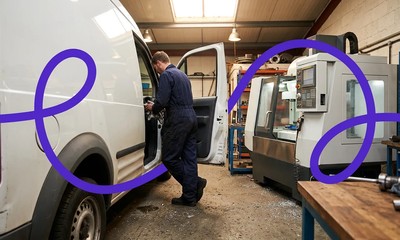
Compare asset finance options to fund equipment, vehicles and machinery for your UK business. See rates, eligibility and lender options.

Work out your business loan repayments instantly. Compare rates from UK lenders, see monthly costs and total interest before you apply.