
Buying a Home
Remortgaging
Landlord
Specialist
Secured Loans
Debt Consolidation
Conveyancing
Finding a Solicitor
Conveyancing near you
Business Finance
Compare small business loans from across the UK market. Secured, unsecured, government-backed and alternative finance options side by side.

A small business loan is a lump sum of finance borrowed by a UK business and repaid over an agreed term, usually with interest added on top. Loan sizes typically range from around £1,000 for a modest working capital top-up right up to £500,000 or more for established companies with strong turnover. Small business loans are available to sole traders, limited companies and partnerships, and most lenders will consider you a "small business" borrower if your annual turnover sits below a few million pounds, regardless of how the loan itself is structured.
What counts as a small business loan varies by lender. Some products are unsecured and based purely on your trading history and cash flow; others are secured against property or company assets. Comparing across the whole market matters because rates, fees, speed and eligibility criteria can differ enormously between providers, and the best loan for a startup with no trading history looks very different from the best loan for an established company with several years of accounts.
Businesses borrow for all sorts of reasons: covering a cash flow gap between paying suppliers and getting paid by customers, buying stock ahead of a busy season, funding a refit or expansion, or bridging the cost of new equipment. The right loan type depends less on why you're borrowing and more on how quickly you need the money, how much security you can offer, and how established your trading history is.
Small business finance in the UK is not a single product, it is a marketplace of options built for different needs, risk profiles and timeframes. Some loans are designed for quick working capital, others for buying equipment or covering unpaid invoices. Understanding the main categories below will help you narrow down which route suits your business before you start comparing individual lenders and rates.
Unsecured business loans do not require you to put up property or other assets as collateral, which makes them faster to arrange and popular with smaller companies. Lenders assess affordability using turnover, trading history and credit score rather than asset value, so approval decisions can often be made within a day or two. Loan sizes tend to run from around £1,000 up to £250,000, though the exact ceiling depends on the lender and your business's financial profile. Because there is no security, rates are usually a little higher than secured alternatives, and lenders may still ask for a personal guarantee from company directors. Read our full guide to unsecured business loans for a closer look at rates and eligibility.
Secured business loans are backed by an asset, typically commercial property, equipment or other company assets, which gives the lender a fallback if repayments stop. Because the lender's risk is reduced, secured loans generally allow larger amounts, longer terms and lower interest rates than unsecured borrowing. The trade-off is a slower application process, since the lender needs to value the asset and register a legal charge against it. Secured loans tend to suit established businesses that own significant assets and want to borrow larger sums over three years or longer.
The government-backed Start Up Loans scheme offers unsecured personal loans of £500 to £25,000 to individuals starting or growing a business in the UK, with a fixed interest rate and free mentoring included. Because the loan is assessed against the individual rather than the trading business, it is often the easiest route for founders with no trading history at all. It sits alongside other government-backed business loans designed to widen access to finance for smaller companies. If you are launching a new venture, our dedicated guide to startup business loans walks through eligibility and how to apply.
Asset finance lets you spread the cost of equipment, vehicles or machinery over time instead of paying the full price upfront. Rather than borrowing cash directly, the lender either buys the asset on your behalf and leases it to you, or advances funds secured against the asset itself. This keeps working capital free for other costs and can be more tax-efficient than an outright purchase, depending on how the agreement is structured. It is a natural fit for businesses that rely on specific equipment to operate, from delivery vans to manufacturing machinery. Our asset finance guide covers hire purchase, leasing and the differences between them.
Invoice finance releases cash tied up in unpaid customer invoices, typically advancing 80 to 90 percent of an invoice's value within 24 to 48 hours rather than waiting the usual 30 to 90 days for payment. It is particularly useful for businesses with long payment terms or seasonal cash flow gaps, such as manufacturers, wholesalers and recruitment agencies. Costs are usually charged as a percentage of each invoice rather than a fixed interest rate, so it is worth comparing the total cost carefully. See our guide to invoice finance for how factoring and discounting differ.
A merchant cash advance provides an upfront lump sum in exchange for a fixed percentage of future card sales, collected automatically until the advance is repaid. Repayments flex with turnover, so quieter months mean smaller repayments, which can suit businesses with seasonal or unpredictable trading patterns such as cafes, salons and retailers. There is no fixed monthly repayment date to manage, but the overall cost can work out higher than a traditional loan, so it is worth weighing against unsecured borrowing before committing.
How much you can borrow depends heavily on which type of loan you choose. Unsecured business loans typically range from £1,000 to £250,000, secured loans can extend from £25,000 up to £500,000 or more against sufficient asset value, and government-backed Start Up Loans are capped at £25,000 per applicant. Asset finance and invoice finance are usually sized against the value of the equipment or invoices involved, rather than a fixed borrowing limit.
The table below shows illustrative rate ranges across the main loan types, drawn from typical UK market pricing rather than any single lender's offer. Your actual rate will depend on your trading history, credit profile, loan term and whether the loan is secured.
The Bank of England base rate has a direct effect on the cost of variable-rate business borrowing, and it influences the pricing of new fixed-rate loans too, since lenders build their cost of funds into every quote. When base rate moves, it is common to see business loan pricing shift within weeks, which is another reason to compare current offers rather than rely on rates you saw months ago. On top of the headline rate, watch for arrangement fees, early repayment charges and, for secured products, valuation and legal fees, since these can add a meaningful amount to the total cost of borrowing. Use our business loan repayment calculator to see how the loan amount, term and rate combine to affect your monthly cost before you apply.
Choosing between a secured and unsecured business loan usually comes down to three things: how quickly you need the money, how much you want to borrow, and whether you are willing to put an asset at risk. If you need funds within days and do not want to tie up property or equipment as collateral, an unsecured loan is usually the more practical route, even though the rate may be a little higher. If you are borrowing a larger amount, want a longer repayment term, or your business owns property or equipment that can support the loan, a secured loan is likely to be cheaper over the life of the borrowing, provided you are comfortable with the asset being at risk if repayments are not kept up. Many businesses use unsecured finance for smaller, shorter-term needs and secured finance for bigger investments such as premises or major equipment purchases. The comparison below sets out how the two routes typically differ.

Most UK business lenders look at a similar set of factors, though the weighting shifts depending on the loan type. Trading history matters: many lenders want to see at least six to twelve months of trading before considering an unsecured loan, while some alternative lenders and government-backed schemes will consider brand-new businesses. Turnover and cash flow are checked to confirm the business can comfortably afford repayments alongside its existing costs, and lenders will typically review recent bank statements and management accounts as part of this. Your personal and business credit profile is also assessed, and a history of missed payments or defaults can limit which lenders will offer terms, though it does not rule out borrowing altogether.
Directors are frequently asked to sign a personal guarantee, particularly for unsecured lending, which means you could be personally liable if the business cannot repay. Documents commonly requested include bank statements, accounts or management information, proof of ID and address, and details of any existing business debt. Exact requirements vary considerably between loan types, so it is worth checking what a specific lender needs before you apply.
Applying for a small business loan follows a fairly consistent process, whichever type of finance you choose.
You can approach lenders directly or use a broker to compare the market on your behalf. Going direct can work if you already have a strong relationship with your bank, but a broker will typically have access to a wider panel of lenders and can match your application to those most likely to approve it, often without multiple hard credit searches landing on your file at once. Compare small business loans through Money Saving Advisors to see options from across the market before you apply.
A poor credit history does not automatically rule you out of business finance. Several specialist lenders focus specifically on businesses with defaults, missed payments or County Court Judgements on file, though rates are usually higher to reflect the added risk, and some will ask for security or a personal guarantee as reassurance. Our guide to bad credit business loans covers which lenders consider adverse credit and what to expect from the application process.
If you are running a brand-new business with no trading history, government-backed startup lending and specialist new-business lenders are usually a better starting point than mainstream bank loans, which often require at least a year or two of accounts. Founders in this position often combine a Start Up Loan with personal savings or support from friends and family in the early months, then move on to mainstream business finance once they have a trading record to show. Common mistakes worth avoiding include borrowing more than you actually need, focusing only on the interest rate rather than the total cost of the loan once fees are included, applying to a single lender instead of comparing the market, and signing a personal guarantee without fully understanding what it means if the business cannot repay. Taking a little extra time to compare options properly can save a significant amount over the life of the loan.
For most small businesses, unsecured loans and government-backed Start Up Loans tend to be the easiest to access, since they do not require property or other assets as security. Approval is based mainly on turnover, trading history and credit profile rather than asset value, and decisions can often be made within a day or two. Businesses with at least six months of trading and a clean credit record usually have the widest choice of lenders, though eligibility criteria and speed vary between providers, so it is worth comparing several options rather than applying to just one.
Yes. Several specialist UK lenders work specifically with businesses that have defaults, missed payments or CCJs on their credit file, though rates are usually higher and some may ask for security or a personal guarantee. Mainstream banks are typically more cautious about adverse credit, so it is worth approaching lenders who specialise in this area rather than being turned down repeatedly by high street providers. Comparing a panel of specialist lenders gives you the best chance of finding a workable rate, and improving your credit profile over time can widen your options for future borrowing.
Unsecured business loans and merchant cash advances can often be approved and funded within 24 to 48 hours once your documents are submitted, particularly through online lenders. Secured loans take longer, typically two to six weeks, because the lender needs to value the asset and register a legal charge. Asset finance and invoice finance usually sit somewhere in between, often a few days to two weeks depending on the lender and how complete your application is. Having your bank statements, accounts and ID ready in advance is the biggest factor in speeding up any application.
It depends on the lender and loan type. Many unsecured business loans and some secured products ask company directors to sign a personal guarantee, which means you could be personally liable for the debt if the business is unable to repay it. Limited company status does not automatically protect directors from this liability once a guarantee is signed. Some lenders offer loans without one, though usually at a higher rate or lower loan amount. Always check whether a personal guarantee is required before accepting an offer, and understand exactly what it covers.
A broker can give you access to a wider panel of lenders than approaching a single bank, and can match your application to lenders most likely to approve it, which often saves time and reduces the number of credit searches on your file. Going direct to your existing bank can work well if you already have a strong relationship and straightforward needs. For most businesses, comparing multiple lenders through a broker gives a clearer picture of the market and a better chance of finding competitive rates.
Borrowing limits depend on the loan type and your business's financial profile. Unsecured loans typically range from around £1,000 to £250,000, while secured loans can extend to £500,000 or more against sufficient asset value. Government-backed Start Up Loans are capped at £25,000 per applicant, and asset or invoice finance is usually sized against the value of the equipment or invoices involved rather than a fixed limit. Lenders will also weigh your turnover, trading history and existing debt when deciding how much they are willing to offer.
What our clients say
Shortly after I spoke with Anna, she was also very helpful and made it effortless and a nice experience.
Had a really good experience regarding arranging a secured loan. They introduced me to a great advisor. Thanks for the help.
For once a loan transaction without stress and complications. Very impressed and highly recommended.
Thrilled to share my exceptional experience with Money Saving Advisors. The website made it incredibly simple and easy to connect with an advisor. They helped me find the best deal on my remortgage and secured a very competitive interest rate!
Great advice and money saved on mortgage.
I have previously declined a loan of the value I needed from various brokers, but this website found me a reputable broker with surprisingly decent rates.


Compare unsecured business loans from UK lenders. Borrow up to 500k with no assets as security. Rates, eligibility and guarantees explained.
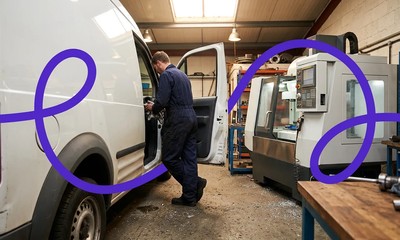
Compare asset finance options to fund equipment, vehicles and machinery for your UK business. See rates, eligibility and lender options.

Work out your business loan repayments instantly. Compare rates from UK lenders, see monthly costs and total interest before you apply.

Compare startup loans in the UK, including the government-backed Start Up Loan scheme. Check eligibility, rates and how to apply.