
Buying a Home
Remortgaging
Landlord
Specialist
Secured Loans
Debt Consolidation
Conveyancing
Finding a Solicitor
Conveyancing near you
Surveys
A RICS Level 1 survey is the most basic home survey, designed for modern, conventionally built homes in good condition. See what the surveyor looks at, what's left out, and what it typically costs.

A Level 1 survey, officially the RICS Home Survey Level 1 and previously known as the RICS Condition Report, is the most basic of the three home surveys that the Royal Institution of Chartered Surveyors (RICS) sets out. An RICS member makes a visual inspection and gives each main part of the property a condition rating.
Sources: RICS Home survey standard (1st edition, effective 1 March 2021); RICS Home Survey Level 1 description of service; RICS consumer guide to home surveys; HomeOwners Alliance, How much does a house survey cost (updated 5 October 2026) (checked October 2026)
A Level 1 survey is the lightest of the three RICS home surveys. Its full name is the RICS Home Survey Level 1, and until the current RICS standard took effect in 2021 it was called the RICS Condition Report. A surveyor who belongs to RICS, shown by the letters AssocRICS, MRICS, or FRICS after their name, inspects the property and writes a short report on its condition, so you can spot serious problems before you're committed to buying.
All three levels are defined in the RICS Home survey standard. The current version is the 1st edition, which took effect on 1 March 2021 and applies to RICS members and regulated firms across the UK. RICS is preparing a 2nd edition, and in its September 2026 update it said it intends to publish it in the first quarter of 2027. Until the new edition takes effect, surveyors carry on working to the 1st edition, and that's what this guide describes.
RICS designed Level 1 for buyers, sellers, and homeowners who want an independent view of a property's condition at a modest price. To keep the fee down, the inspection is less thorough than a Level 2 or Level 3, and the report is brief. For every survey type side by side, including snagging and specific defect surveys, see our guide to the types of house survey.
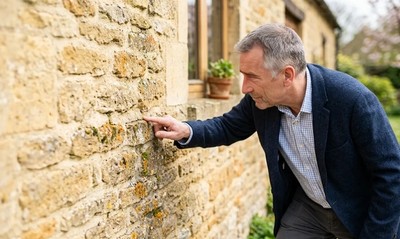
The surveyor walks through the inside of the home and around the outside of the main building, any permanent outbuildings, the grounds and boundaries, and any shared areas they can reach. Roofs and chimneys are viewed from the ground, using binoculars where needed. The basic kit is a damp meter, binoculars, a torch, and a ladder for hatches and flat roofs no higher than 3 metres, where it's safe to use one. The surveyor also does a desk-based check and asks questions about anything that could affect the property.
Your report will include:
The ratings are the heart of a Level 1 report. RICS calls them traffic-light ratings, with 1 shown as green, 2 as amber, and 3 as red.
A rating 3 doesn't mean the property has failed. A home can't officially fail a survey. It means you need more information, usually repair quotes or a specialist's opinion, before you exchange contracts. Because a Level 1 report doesn't say how to fix a defect or what it might cost, you'll need to find that out separately.
The lower fee comes from a narrower service. A Level 1 survey won't:
For a flat, the surveyor also looks at the outside of the building and the shared hallways and stairs that lead to your front door. They don't inspect lifts, fire alarms, security systems, or the drains. External wall systems aren't inspected either, but the surveyor will recommend further checks if something concerns them.
Some firms offer extras, such as costing repairs or a market valuation, under a separate agreement. If you need either, ask about it before you book.
RICS says a Level 1 survey is better suited to modern homes of conventional construction in satisfactory condition. Its consumer guide to home surveys puts it more plainly: an ordinary house, flat, or bungalow, made from standard materials and kept in good repair.
RICS is clear that it won't suit:
If the home is in reasonable condition and you'd like advice on repairs and upkeep, a Level 2 survey goes further. For a large, older, or run-down property, an unusual or altered building, or a home where you're planning major works, RICS points buyers to a Level 3 survey.
A brand-new home is usually modern and conventional, but a Level 1 isn't designed to check the quality of the builder's finish. A snagging survey looks for defects and unfinished work the builder needs to put right. Konnect You notes that a Level 1 can be used on a new home but recommends a snagging survey for newly built properties.
Scotland has its own system. Before a home is put on the market, the seller must arrange a Home Report, which already contains a single survey and valuation based on a chartered surveyor's visual inspection, a property questionnaire, and an energy report. The seller or their agent must hand you a copy within nine days of your request. Because the seller provides the survey, a Level 1 isn't part of the normal buying process in Scotland, and the RICS standard applies separate Scottish rules to Home Reports. Some homes don't need a Home Report, including new homes sold to their first occupier. Our guide to Home Reports in Scotland explains how the system works.
Surveyors set their own fees, so what you pay for a Level 1 survey mostly comes down to the home's value, how big and complex it is, and its location. RICS describes Level 1 as typically its lowest-priced survey. HomeOwners Alliance puts a Level 1 at about £300 to £900 (page updated 5 October 2026), and Konnect You puts it at around £380 for a home at the average UK price (updated 30 September 2026).
The figures in the table come from HomeOwners Alliance and are typical ranges, not fixed prices. Its ranges for Level 1 and Level 2 overlap, so a Level 2 quote can sometimes cost little more than a Level 1. Ask each firm which level it's quoting for and what the fee includes before you compare prices.
Our house survey costs guide compares prices across every survey level. A survey is one of several costs of buying a home. If you're budgeting for the move, MoneyHelper offers impartial guidance.

The levels differ in how much of the property the surveyor inspects and how much advice you get.
Level 2 includes everything in a Level 1 and adds more. The surveyor goes into the loft, lifts accessible drain covers, looks at all the visible parts of the services, and gives advice on repairs and maintenance. You can also choose a version with a market valuation and an insurance rebuild figure. Our Level 2 survey guide covers it in detail.
Level 3 is the most detailed. The report describes how the property is built, the risk of hidden defects, the likely repair options, and what could happen if repairs aren't done, with a suggested timescale. RICS says it can suit any home in any condition, as long as the surveyor has the right experience. See our Level 3 survey guide, or our Level 2 vs Level 3 comparison.
A mortgage valuation is something your lender arranges to check the home is worth enough to secure what you're borrowing. It's done to protect the lender rather than you, and it's only a limited check, so it can miss problems that would be expensive to fix. Some lenders charge for it on a scale linked to the property's value, while others include it at no extra cost. Read more in mortgage valuation vs survey.
Typical survey costs in the table are from HomeOwners Alliance (updated 5 October 2026).
Book your survey once the seller has accepted your offer, so the report arrives before you exchange contracts, while you can still renegotiate or pull out. RICS recommends this timing, and it's when most buyers arrange theirs.
The visit itself is short. HomeOwners Alliance says a Level 1 may take only an hour, while Konnect You says around two hours, with the report usually back within five working days. Timings vary by firm, so check them when you book.
When the report arrives, start with the summary of condition ratings. For anything rated 3, get written quotes or a specialist's view before you exchange. Our guides to common survey problems and negotiating after a survey explain what to do next, and our guide to RICS surveyors covers choosing a firm.
Common questions
No. The standard Level 1 service doesn't give an opinion on the property's market value or an insurance rebuild figure. Some firms will add a valuation as a separate service under separate terms. If you want both in one report, a Level 2 survey with valuation includes them. RICS has consulted on allowing valuations at every level in the next edition of its standard, but that change isn't in force.
It can be, if the home is modern, conventionally built, and in good condition. You get an independent record of its condition and a list of serious or urgent problems for a lower fee than the other levels. The catch is that it won't explain how to fix anything or what repairs might cost, so a home with visible issues may need a Level 2 or Level 3 instead.
Yes. RICS lists flats alongside houses and bungalows, as long as the building is conventional and in good condition. The surveyor inspects the flat itself, the outside of the building, and the shared hallways and stairs that lead to it. They don't inspect lifts, fire alarms, security systems, drains, or external wall systems, but they'll recommend further checks if anything concerns them.
The visit is usually short. HomeOwners Alliance says a Level 1 inspection may take only an hour, and Konnect You says around two hours, depending on the property. Konnect You adds that the report usually arrives within five working days. Timings vary between firms, so ask how soon the report will arrive when you book, especially if you're working to a deadline.
Usually, yes. If you're buying with a mortgage, your lender will normally need its own valuation, and a Level 1 doesn't include one. The two do different jobs. The valuation tells your lender whether the home is worth enough to secure what you're borrowing, while the survey tells you about its condition and any serious or urgent defects.
Scotland uses a different system. The seller has to provide a Home Report, which already includes a single survey and valuation by a chartered surveyor, so buyers don't normally arrange a separate Level 1. Some homes, such as new homes sold to their first occupier, don't need a Home Report. Our guide to Home Reports in Scotland explains what they cover.
What our clients say
Shortly after I spoke with Anna, she was also very helpful and made it effortless and a nice experience.
Had a really good experience regarding arranging a secured loan. They introduced me to a great advisor. Thanks for the help.
For once a loan transaction without stress and complications. Very impressed and highly recommended.
Thrilled to share my exceptional experience with Money Saving Advisors. The website made it incredibly simple and easy to connect with an advisor. They helped me find the best deal on my remortgage and secured a very competitive interest rate!
Great advice and money saved on mortgage.
I have previously declined a loan of the value I needed from various brokers, but this website found me a reputable broker with surprisingly decent rates.
Surveys
Compare RICS-registered surveyors near you. Get up to 4 quotes tailored to your property with no obligation.




Find out what a Level 2 home survey costs, what it covers and when to book one before you exchange contracts.
Compare Level 3 building survey costs, see what is included, and learn who needs one before buying a property.


See what a mortgage valuation and a house survey each check, who they protect, and why you probably need both.