
Buying a Home
Remortgaging
Landlord
Specialist
Secured Loans
Debt Consolidation
Conveyancing
Finding a Solicitor
Conveyancing near you
Conveyancing
Shared ownership solicitor fees typically run £1,500 to £2,600 once supplements and disbursements are added, £300 to £600 more than a standard purchase. This guide breaks down every cost, including the two stamp duty options, staircasing fees and what it costs to sell later.

Shared ownership solicitor fees typically total £1,500 to £2,600 once you add the base legal fee, the shared ownership supplement and disbursements together. That is £300 to £600 more than a standard freehold or leasehold purchase, which usually runs £1,200 to £2,000 all in. The extra cost reflects the housing association lease, rent schedule and nomination rights that a standard purchase does not include.
Costs break down into a base legal fee of £850 to £1,500 plus VAT, a shared ownership supplement of £250 to £400, a new build supplement of £300 to £400 if applicable, and disbursements of £400 to £700. Staircasing later is a separate legal transaction with its own fees. Selling involves an 8-week nomination period during which the housing association can find a buyer for your share before you can market it openly.
Sources: MoneyHelper.org.uk, Homes England, Law Society
Shared ownership solicitor fees typically total £1,500 to £2,600 once you add the base legal fee, the shared ownership supplement and disbursements together. That is £300 to £600 more than a standard freehold or leasehold purchase, which usually runs £1,200 to £2,000 all in. The extra cost reflects the additional legal work a shared ownership purchase demands: your solicitor is not just buying you a property, they are checking a housing association lease, a rent schedule and a set of nomination rights that a standard purchase simply does not have.
If you are budgeting for a shared ownership purchase in 2026, treating your quote as standard conveyancing fees is the most common mistake first-time buyers make. A base legal fee on its own is a useful starting point, but shared ownership adds specific, predictable extras on top. Once you understand where those extras come from, you can compare quotes properly and avoid being caught out by a firm that quietly leaves a supplement off its headline price.
Watch out for quotes that list only the base legal fee and add the shared ownership supplement later as a surprise. Ask every firm to confirm the total figure, including all supplements, in writing before you instruct them. A conveyancing calculator that lets you factor in tenure type can help you sense-check any quote against realistic market figures.
The shared ownership supplement is not an arbitrary add-on. It is the fee your solicitor charges for the extra legal work a shared ownership lease requires beyond a standard freehold or leasehold purchase. Most housing associations base their lease on the Homes England model shared ownership lease, which sets out standard terms for rent reviews and staircasing, though individual associations can and do vary specific clauses, so your solicitor still needs to check the actual document rather than assume it matches the template.
Understanding what you are paying for helps you judge whether a quote is fair. A solicitor charging the shared ownership supplement should be doing significantly more than a box-ticking exercise: they are protecting you from restrictions that could affect how you live in, alter or eventually sell the property.
If a quote is silent on any of the above, ask directly whether these checks are included in the supplement or charged as extras. Because leasehold conveyancing already involves lease reviews, some firms assume shared ownership work is identical. Housing association leases carry their own quirks, and a solicitor unfamiliar with them can miss a restriction that only becomes a problem when you try to sell or staircase years later.
Yes. If you are buying a new build shared ownership property, most conveyancing firms charge both the shared ownership supplement and a separate new build supplement, because the two cover entirely different work. The shared ownership supplement pays for lease and rent checks. The new build supplement pays for reviewing the developer's build contract, warranty cover and the practical realities of buying a property that may not be finished yet.
New build purchases carry their own legal risks regardless of tenure. Your solicitor needs to review the NHBC or equivalent 10-year warranty, check the developer's building contract for completion dates and penalty clauses, confirm arrangements for snagging defects, and verify that roads, drains and communal areas will be adopted by the local authority or a management company. None of this overlaps with the shared ownership lease work, which is why the two supplements stack rather than replace each other.
Combined, expect to pay £550 to £800 in supplements alone on a new build shared ownership purchase, on top of the base legal fee and disbursements. That can push your total solicitor cost to £1,800 to £3,000. Our new build conveyancing guide explains the developer-specific risks in more detail, including why exchange deadlines on new builds are often tighter than on resale purchases.

Stamp duty on shared ownership works differently from a standard purchase, and getting this decision right can save you thousands of pounds over the life of your ownership. When you buy a shared ownership property in England, you choose between two ways of paying Stamp Duty Land Tax, and your solicitor makes this election with HM Revenue and Customs on your behalf at the point of purchase.
Under this option, you pay SDLT only on the percentage share you are buying now, not the full property value. This keeps your upfront stamp duty bill low. The trade-off is that you pay SDLT again each time you staircase and buy a further share, calculated against the thresholds in place at the time of each transaction.
Under the market value election, you pay SDLT based on the full market value of the property in one go, even though you are legally only buying an initial share. This means a higher bill at completion, but you pay no further SDLT on any future staircasing transaction, regardless of how many shares you buy later or how much the property has increased in value by then.
Which option suits you depends on your plans. If you intend to staircase to full ownership within a few years, the market value election often works out cheaper overall. If you plan to stay at your initial share for the long term, paying on the share only usually costs less upfront and may never trigger further SDLT if you never staircase. HMRC's guidance on market value elections for shared ownership sets out the rules in full, and your solicitor should model both scenarios using your own numbers before you decide.
First-time buyers can claim first-time buyer relief on shared ownership purchases provided the full market value of the property is under £500,000, regardless of which SDLT option you choose. Run your own numbers through a stamp duty calculator before deciding which election to make, and check your eligibility against first-time buyer mortgages criteria if you are arranging finance for the first time. This guide covers shared ownership in England: Scotland and Wales run separate shared ownership models with their own property taxes, Land and Buildings Transaction Tax and Land Transaction Tax respectively, so check the equivalent rules if your property is outside England.
Staircasing is the process of buying additional shares in your shared ownership property after your initial purchase, gradually increasing your ownership percentage until you may eventually own 100%. Most schemes let you staircase in minimum increments of 10%, though some housing associations allow smaller steps of 5% or even 1% under newer shared ownership models.
Staircasing is a separate legal transaction from your original purchase, and it carries its own solicitor fees rather than being covered by anything you paid at completion. Budgeting for staircasing costs matters because many shared ownership buyers plan to increase their share over time as their income grows, and being caught out by an unexpected legal bill can delay the process.
Once you reach 100% ownership, commonly called full staircasing, you may be able to acquire the freehold or extend your lease, depending on the terms your housing association offers. This final step often carries its own legal fee, typically £500 to £1,500, on top of everything you paid to staircase to that point. Ask your housing association about their specific process for buyers who reach full ownership before you start staircasing, since not all schemes offer the same route to freehold.
Selling a shared ownership property involves an extra step that standard sales do not: the nomination period. Most housing associations retain the right to find a buyer for your share before you can market it openly, usually for a period of around 8 weeks from the date you notify them of your intention to sell. Only once this nomination period expires without a buyer being found can you list the property on the open market yourself.
This process affects both your timeline and your legal costs. Your solicitor must handle correspondence with the housing association during the nomination period, request a management pack confirming the property's compliance history, and confirm whether any staircasing has occurred that affects the sale price calculation.
Because the housing association is involved throughout, selling a shared ownership property typically takes longer than a standard sale, so budget extra time as well as the additional £350 to £750 in fees above a comparable freehold sale.
Not every conveyancing firm has genuine experience with shared ownership leases, and choosing one that does not can cost you time and money if they miss a restriction or misunderstand your housing association's terms. Shared ownership leases vary between housing associations, so experience with one provider's lease does not automatically transfer to another.
Our guide to choosing the best conveyancing solicitors covers the accreditations and questions worth asking of any firm, whether you are buying shared ownership or a standard property. For shared ownership specifically, prioritise a firm's direct experience over price alone. A quote £150 cheaper is poor value if the firm misses a restriction that costs you far more when you come to staircase or sell.
Common questions
Yes, you are not obliged to use a solicitor from your housing association's panel, though some housing associations maintain a list of firms familiar with their lease. Any solicitor or licensed conveyancer regulated by the SRA or CLC can act for you, provided they have genuine experience with shared ownership leases. Ask directly about their experience before instructing, since unfamiliarity with this tenure can lead to overlooked restrictions or delays liaising with the housing association's own solicitor.
Yes, but you choose how. You can pay SDLT on just the share you are buying now, keeping your upfront cost low but triggering further SDLT each time you staircase, or you can pay SDLT on the full market value upfront under a market value election, avoiding SDLT on all future staircasing. First-time buyers can claim relief on either option provided the full market value is under £500,000.
Staircasing solicitor fees typically run from £500 to £1,000 plus VAT, plus a RICS valuation of £150 to £350 and Land Registry fees of £20 to £305 depending on the transaction value. The total cost usually falls between £700 and £1,700, lower than your original purchase because your solicitor does not need to review the lease from scratch each time.
Only after the nomination period, usually around 8 weeks, during which your housing association has the right to find a buyer for your share. If they cannot find a buyer within that window, you are free to market the property yourself through an estate agent, though you will still need to keep the housing association informed and provide a management pack to your buyer's solicitor.
What our clients say
Shortly after I spoke with Anna, she was also very helpful and made it effortless and a nice experience.
Had a really good experience regarding arranging a secured loan. They introduced me to a great advisor. Thanks for the help.
For once a loan transaction without stress and complications. Very impressed and highly recommended.
Thrilled to share my exceptional experience with Money Saving Advisors. The website made it incredibly simple and easy to connect with an advisor. They helped me find the best deal on my remortgage and secured a very competitive interest rate!
Great advice and money saved on mortgage.
I have previously declined a loan of the value I needed from various brokers, but this website found me a reputable broker with surprisingly decent rates.
Conveyancing
Compare conveyancing solicitors on price, speed and reviews. Get up to 4 quotes from regulated firms with no obligation.



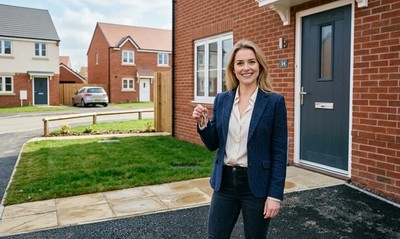
Compare new build conveyancing costs, timelines and solicitors. Understand the process, fees and risks of buying a newly built property in 2026.

Learn how leasehold conveyancing works in the UK, what it costs in 2026, and where leasehold reform and the proposed ground rent cap stand.
Compare conveyancing solicitors using a scored decision framework covering fees, regulation, reviews and panel status, with worked 2026 cost examples by property price.

Most solicitor fees are paid on completion day, with a small deposit of £200-£500 upfront when you instruct your solicitor.