
Buying a Home
Remortgaging
Landlord
Specialist
Secured Loans
Debt Consolidation
Conveyancing
Finding a Solicitor
Conveyancing near you
Business Insurance
Get the right insurance for your trade. Compare public liability, tools cover, employers' liability and professional indemnity from across the UK market in minutes.

Tradesman insurance is a package of covers designed specifically for tradespeople working in construction, maintenance and repair. Rather than being a single policy, it bundles together the types of cover that builders, plumbers, electricians, carpenters, roofers and other trades need to protect themselves, their tools and their customers.
The core of most tradesman insurance packages is public liability insurance, which covers compensation claims if you accidentally injure a member of the public or damage their property while working. Alongside this, most tradespeople add tools and equipment cover to protect against theft or damage, and employers' liability insurance if they employ anyone, including subcontractors in some circumstances.
Buying these covers as a combined tradesman package is typically cheaper than purchasing each policy separately. Insurers understand the risks tradespeople face and have designed products that bundle the most common covers at competitive rates. You get one policy, one renewal date and one point of contact for claims, which keeps administration simple when you would rather be on site.
The legal position depends on which covers you are looking at and how your business is structured.
Employers' liability insurance is a legal requirement if you employ anyone. Under the Employers' Liability (Compulsory Insurance) Act 1969, you must hold at least £5 million of cover (most policies provide £10 million as standard). You can be fined £2,500 for every day you trade without it. This applies whether your employees are full-time, part-time, or apprentices. In some cases, it also applies to labour-only subcontractors if HMRC considers them employees for tax purposes.
Public liability insurance is not a legal requirement, but it is effectively essential for any tradesperson working on other people's property. Most clients, main contractors, local authorities and housing associations will not let you on site without proof of public liability cover. Many trade registration bodies, including the Federation of Master Builders, also require it as a condition of membership.
Trade-specific registrations add further requirements. Gas engineers must be registered with Gas Safe and carry appropriate insurance. Electricians working under Part P of the Building Regulations should be registered with a competent person scheme such as NICEIC or NAPIT, both of which require members to hold adequate insurance. The Federation of Master Builders (FMB) requires member firms to hold public liability cover.
If you are a sole trader with no employees, you do not legally need employers' liability cover. However, if you take on labour-only subcontractors, check your position carefully because the legal definition of "employee" for insurance purposes can be broader than you expect. Getting this wrong leaves you exposed to significant fines and uninsured claims.
A comprehensive tradesman insurance policy brings together several types of cover. Here is what each one protects and why it matters.
Public liability insurance is the foundation of tradesman cover. It pays compensation and legal costs if you accidentally injure a member of the public or damage their property during the course of your work. A plasterer who cracks a customer's water pipe and floods their kitchen, a roofer whose scaffolding damages a neighbour's car, or a painter who spills paint on a client's carpet would all be covered. Most tradespeople choose between £1 million and £5 million of cover, with higher limits available for larger contracts.
Employers' liability insurance covers compensation claims from employees who are injured or become ill because of their work. As a legal requirement for businesses with staff, it must provide at least £5 million of cover. In the construction trades, common claims include falls from height, injuries from power tools, and musculoskeletal problems from heavy lifting.
Tools cover protects your hand tools, power tools and equipment against theft, loss and accidental damage. Most policies cover tools whether they are on site, in your van, or at your home. However, van theft claims are among the most common, and insurers typically require specific security conditions such as the van being locked, tools being stored in a secure tool vault, and the van being parked in a well-lit area or on a driveway overnight. Failing to meet these conditions can void your tools cover, so read the policy requirements carefully.
Professional indemnity insurance covers you if a client suffers a financial loss because of your professional advice, design work or certification. This is particularly relevant for electricians who issue certificates, engineers who design systems, and any tradesperson who provides formal recommendations. If your advice or design turns out to be faulty, professional indemnity covers the cost of putting it right and any legal fees.
Contract works insurance covers materials and work in progress on site against damage from fire, storm, flood, theft and vandalism. If a partly completed extension is damaged by a storm overnight, contract works cover pays for the materials and labour to repair it. Plant cover protects hired or owned plant and machinery such as excavators, generators and scaffolding.
Personal accident cover pays a lump sum or weekly benefit if you are unable to work due to an accident. For self-employed tradespeople with no sick pay, this can be critical. Legal expenses cover pays for solicitors' fees if you need to pursue or defend a legal claim, such as a contractual dispute with a client or a challenge from a supplier.
Builders face some of the highest risk exposures of any trade. Working at height, using heavy machinery, and managing multi-trade projects all increase the likelihood and severity of claims. The key covers for builders are:
Plumbers work inside customers' homes and businesses, often close to electrical systems, gas supplies and structural elements. The key risks are water damage, gas-related incidents and tool theft. Important covers include:
Electricians face unique insurance requirements because of the certification and compliance aspects of their work. Key considerations include:

The right level of public liability cover depends on the type of work you do and who you do it for. There is no legal minimum, but industry norms and client requirements effectively set the standard.
£1 million to £2 million is the entry level and suits sole traders doing small domestic jobs such as decorating, minor plumbing repairs, or handyman work. It is enough for most homeowner clients but may not satisfy main contractors or commercial customers.
£5 million is the most common level for tradespeople working on larger domestic projects (extensions, loft conversions, rewires) and for those who subcontract to main contractors. Most main contractors require at least £5 million of PL cover from their subcontractors before allowing them on site.
£10 million is required by local authorities, housing associations, and some larger commercial clients. If you tender for public sector work or large-scale refurbishment projects, you will need this level. The premium difference between £5 million and £10 million is often modest, so it can be worth stepping up even if your current clients do not require it.
The cost difference between these levels is often smaller than tradespeople expect. Moving from £1 million to £5 million might add £50 to £100 per year to your premium, while the additional protection and the ability to take on larger contracts makes it worthwhile for most businesses.
Tradesman insurance costs depend on your trade, the level of cover, your turnover, the number of employees and your claims history. Below are typical annual premiums for the most common trades.
The main factors that drive your premium up or down include:
Understanding how tradesman insurance works in practice helps you see why the right cover matters. Here are two real-world claim scenarios.
Public liability claim: property damage during a kitchen fit
A plumber was fitting a new kitchen and accidentally drilled through a water pipe hidden behind a wall. The resulting leak went undetected overnight and caused extensive water damage to the kitchen floor, the ceiling of the room below, and several items of the homeowner's furniture. The homeowner claimed £14,000 for repairs and replacement furniture. The plumber's public liability insurer covered the full claim, including £3,200 in legal costs to negotiate the settlement. Without business insurance, the plumber would have been personally liable for the entire amount.
Tools theft from a van
An electrician parked his van on his driveway overnight. Thieves broke into the van and stole power tools, testing equipment and cable worth a total of £4,800. Because the electrician had tools-in-transit cover and had met the policy's security conditions (the van was locked, parked on a driveway, and tools were stored in a locked tool vault bolted to the van floor), the insurer paid the claim in full minus the £150 excess. The electrician was back at work with replacement tools within three days.
Public liability insurance is not a legal requirement for self-employed tradesmen, but it is effectively essential. Most clients expect you to have it, many main contractors require proof of cover before allowing you on site, and trade body memberships often mandate it. A single claim from a customer whose property you damage could cost tens of thousands of pounds. The premium for a sole trader is typically £100 to £300 per year, making it one of the most affordable and important business expenses.
Tools left in your van overnight can be covered, but only if you meet your insurer's specific security conditions. These typically require the van to be locked, parked on a driveway or in a garage (not on the street), and tools to be stored in a locked tool vault or secure box bolted to the van. If you leave tools in an unlocked van or park on the street in breach of your policy terms, your insurer can reject the claim. Always read the security requirements in your policy carefully.
Yes. If you work across multiple trades, such as a builder who also does some plumbing or plastering, you can get a single tradesman insurance policy that covers all the trades you carry out. You need to declare every trade you work in when arranging cover so that your insurer can assess the combined risk. The premium will be based on the highest-risk trade you perform. Failing to declare a trade and then claiming for work in that area could result in your claim being rejected.
Professional indemnity insurance is not a legal requirement for electricians, but it is strongly recommended and often required by competent person schemes such as NICEIC and NAPIT. If you issue electrical installation certificates, condition reports, or design specifications, and your work later proves faulty, professional indemnity covers the cost of putting it right and any legal fees. Without it, you are personally liable for financial losses your clients suffer because of your professional advice or certification.
Most tradesman insurance policies can be arranged and confirmed within the same day. Many insurers offer instant online quotes with cover starting immediately or from a date you choose. If you need proof of insurance to start a job tomorrow, a broker can usually arrange this with a certificate of insurance emailed to you within hours. More complex requirements, such as high cover limits or unusual trade combinations, may take a day or two to place with a specialist insurer.
Your tradesman insurance covers you and your direct employees. It does not automatically extend to subcontractors you hire. Subcontractors should hold their own public liability and, where relevant, employers' liability insurance. However, as the main contractor on a job, you may be held partly responsible if a subcontractor causes damage, so you should always verify that your subcontractors have adequate cover before they start work. Some policies offer an extension to cover bona fide subcontractors for an additional premium.
What our clients say
Shortly after I spoke with Anna, she was also very helpful and made it effortless and a nice experience.
Had a really good experience regarding arranging a secured loan. They introduced me to a great advisor. Thanks for the help.
For once a loan transaction without stress and complications. Very impressed and highly recommended.
Thrilled to share my exceptional experience with Money Saving Advisors. The website made it incredibly simple and easy to connect with an advisor. They helped me find the best deal on my remortgage and secured a very competitive interest rate!
Great advice and money saved on mortgage.
I have previously declined a loan of the value I needed from various brokers, but this website found me a reputable broker with surprisingly decent rates.


Find out what public liability insurance covers, how much it costs by trade, and whether your business needs it. Compare cover levels and get a quote.

Compare commercial van insurance quotes for 2026. Understand cover levels, goods classifications and how to reduce your fleet premium.

Find out which insurance cover self-employed workers actually need. From public liability to professional indemnity, we explain the options by trade.
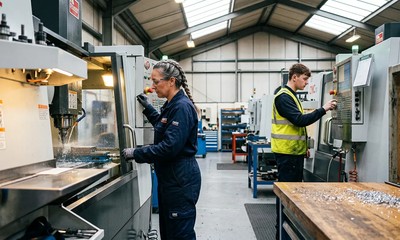
Employers' liability insurance is a legal requirement if you employ staff. Learn who needs it, the minimum cover level, fines for non-compliance, and exemptions.