
Buying a Home
Remortgaging
Landlord
Specialist
Secured Loans
Debt Consolidation
Conveyancing
Finding a Solicitor
Conveyancing near you
Business Insurance
Get the right cover for your shop, whether you run a high street boutique, a convenience store or an online retail operation. Compare quotes from across the UK market in minutes.

Shop insurance is not a single, standalone policy. It is a tailored package of covers designed to protect retail businesses against the specific risks they face every day, from customer injuries on your premises to fire damage to your stock room.
Most shop owners build their cover from a combination of public liability insurance, buildings insurance (if you own the premises), contents and stock cover, and employers' liability insurance if they have staff. The exact mix depends on the type of shop you run, whether you lease or own, how much stock you hold, and how many employees you have.
Buying these covers as a combined retail insurance package is almost always cheaper than purchasing each policy individually. Insurers bundle them because shops face a predictable set of risks, and the combined policy reduces admin for both you and the insurer. You get one renewal date, one set of documents and one point of contact for claims.
A comprehensive shop insurance policy brings together several types of cover under one package. Here is what each element protects and why it matters for retail businesses.
Public liability insurance covers compensation claims from members of the public who are injured or whose property is damaged because of your business activities. In a retail environment, the most common claims involve customers slipping on wet floors, tripping over displays, or being injured by falling stock. Cover limits typically range from £1 million to £10 million, and most shop owners choose at least £2 million.
If you employ anyone, even a single part-time sales assistant, employers' liability insurance is a legal requirement. You must hold at least £5 million of cover (most policies provide £10 million), and you can be fined £2,500 for every day you trade without it. This covers compensation claims from employees who are injured or become ill because of their work.
If you own your shop premises, buildings insurance covers the cost of repairing or rebuilding the structure after damage from fire, flood, storm, subsidence or vandalism. If you lease your premises, your landlord's policy usually covers the building itself, but check your lease carefully as you may be responsible for internal fixtures and fittings.
Contents insurance covers your fixtures, fittings, furniture, tills, computers, shelving and display units. Stock insurance covers the goods you hold for sale. These are usually separate sums insured within the same policy, and it is important to value both accurately because underinsurance is one of the most common reasons claims are reduced.
Business interruption insurance covers your lost income and ongoing fixed costs if your shop has to close temporarily after an insured event such as a fire or flood. It typically pays out for up to 12 or 24 months and can be the difference between surviving a major incident and having to close permanently.
Depending on your shop type, you may also want to add money and till cover (for cash on the premises or in transit), glass and signage cover (for shop fronts), legal expenses insurance, cyber insurance (if you take card payments or hold customer data), and goods in transit cover if you deliver to customers.
The only type of shop insurance that is a strict legal requirement is employers' liability insurance. If you employ one or more members of staff, you must hold employers' liability cover of at least £5 million under the Employers' Liability (Compulsory Insurance) Act 1969. Failure to hold this cover can result in fines of up to £2,500 per day.
Public liability insurance is not legally required, but it is close to essential for any shop that members of the public visit. A single compensation claim from a customer who slips and injures themselves could run into hundreds of thousands of pounds. Most shopping centres, retail parks and landlords require tenants to hold public liability cover as a condition of the lease.
Buildings and contents insurance is not legally required either, but if you have a commercial mortgage your lender will almost certainly insist on it. Even without a mortgage, trading without cover for your stock and premises leaves you exposed to losses that could end your business overnight. If you are self-employed and run a shop on your own with no staff, employers' liability is not required, but every other cover remains strongly advisable.
Shop insurance costs vary significantly depending on the type of retail business, the value of your stock, the size and location of your premises, and the covers you include. Below is a guide to typical annual premiums for different shop types, based on a combined package including public liability, contents and stock cover.
Several factors influence where your premium falls within these ranges. Insurers look closely at the following when calculating your quote:
If you run a small business and want to keep costs down, bundling all your covers into a single shop insurance package is almost always cheaper than buying each policy separately.

There are several practical steps you can take to bring down the cost of your shop insurance without reducing your level of cover.
These three types of cover protect different things, and understanding the distinction is important because it determines what you need to insure and for how much.
Buildings insurance covers the permanent structure of your shop, including walls, roof, floors, fitted kitchens or bathrooms, and any fixed installations like plumbing and wiring. If you own the freehold, you need buildings insurance. If you lease your premises, your landlord's insurance should cover the building structure, but always check your lease to confirm.
Contents insurance covers everything inside the shop that is not part of the building itself and is not stock for sale. This includes shelving, display units, tills, computers, EPOS systems, furniture, decorations and any equipment you use to run the business.
Stock insurance covers the goods you buy to sell to customers. This includes items on display, in storage, in transit, or on order with suppliers if you have already paid for them. Stock values can fluctuate seasonally, so consider whether your cover needs to increase at peak trading periods such as Christmas.
Knowing how to handle a claim before you need to make one saves time and reduces the risk of your claim being rejected. Here is a step-by-step process, with common shop-specific scenarios.
Common shop insurance claims include stockroom fires, customer slip-and-fall injuries on shop floors, till theft by employees, break-ins and ram-raids, storm damage to shop fronts, and vehicle collisions with shop frontages.
The only legally required element is employers' liability insurance, which you must hold if you employ any staff. Under the Employers' Liability (Compulsory Insurance) Act 1969, you need at least £5 million of cover and can be fined £2,500 per day without it. Public liability, buildings and contents cover are not legally mandated but are strongly advisable for any retail business.
Standard shop insurance policies cover theft involving forced entry or break-in, but shoplifting (theft without force) is not always included as standard. Some insurers offer shoplifting cover as an add-on, typically with a higher excess. If shoplifting losses are a significant concern, ask your broker to include specific stock theft cover in your policy and check the excess level carefully.
If you lease your premises, your landlord is usually responsible for insuring the building structure. However, you should check your lease carefully because some agreements make the tenant responsible for internal fixtures and fittings, plate glass or even the full building. You will still need contents and stock insurance regardless of your lease terms, as your landlord's policy will not cover your business property.
Yes. Several insurers offer short-term or temporary shop insurance for pop-up shops, seasonal stalls and market traders. Cover periods can be as short as one day. You will still need public liability as a minimum, and if you employ temporary staff you will need employers' liability cover for the period they work. Premiums are calculated pro-rata, so short-term cover is usually affordable.
A standard shop insurance policy covers your physical premises, stock and liability at your retail location. If you also sell online, you may need to extend your cover to include product liability for items sold remotely, cyber insurance if you process payments or hold customer data, and goods in transit cover for deliveries. Tell your insurer about your online sales channel so your policy reflects the full scope of your business.
Shop insurance is a type of business insurance specifically designed for retail premises. It bundles the covers most relevant to shops, such as stock, contents, money and till cover, glass and signage, and public liability for customer-facing premises. General business insurance is a broader term that covers any commercial operation. Shop-specific policies tend to offer better value because the risks are well understood and the covers are pre-packaged for retail.
What our clients say
Shortly after I spoke with Anna, she was also very helpful and made it effortless and a nice experience.
Had a really good experience regarding arranging a secured loan. They introduced me to a great advisor. Thanks for the help.
For once a loan transaction without stress and complications. Very impressed and highly recommended.
Thrilled to share my exceptional experience with Money Saving Advisors. The website made it incredibly simple and easy to connect with an advisor. They helped me find the best deal on my remortgage and secured a very competitive interest rate!
Great advice and money saved on mortgage.
I have previously declined a loan of the value I needed from various brokers, but this website found me a reputable broker with surprisingly decent rates.


Find out what public liability insurance covers, how much it costs by trade, and whether your business needs it. Compare cover levels and get a quote.
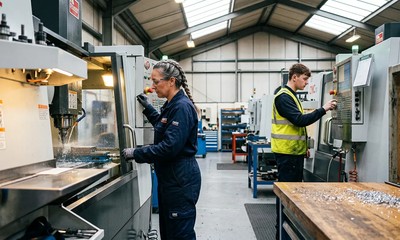
Employers' liability insurance is a legal requirement if you employ staff. Learn who needs it, the minimum cover level, fines for non-compliance, and exemptions.
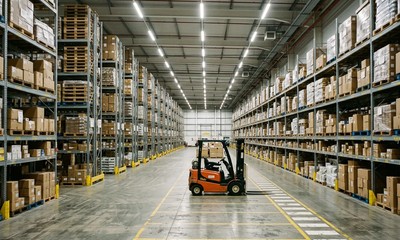
Compare business buildings and contents insurance to protect your premises, equipment and stock. Find the right cover for your property type.

Everything small business owners need to know about insurance. Compare policy types, costs and legal requirements to find the right cover for your business.